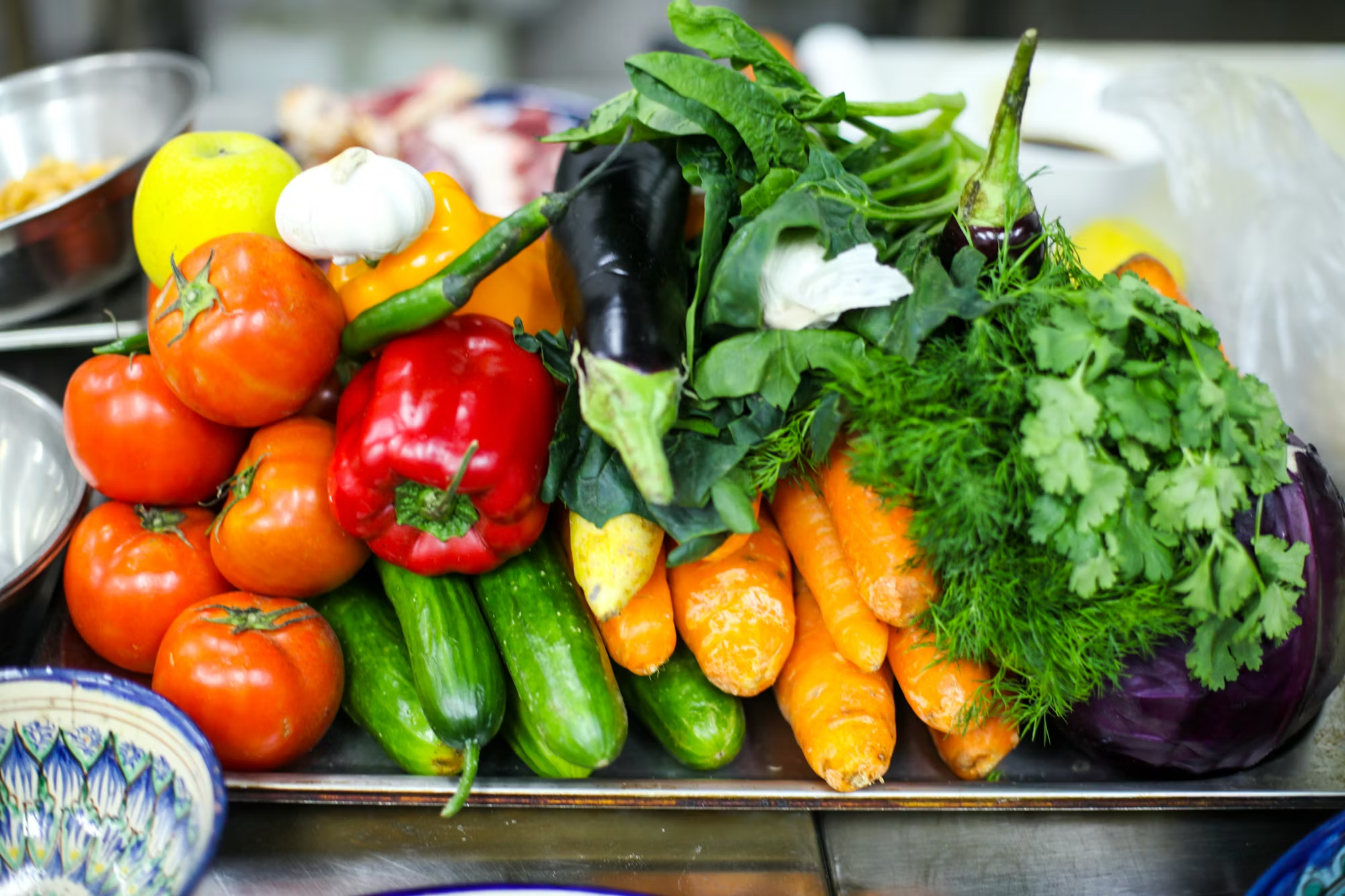
As awareness of environmental issues grows, the concept of sustainable eating is becoming increasingly popular. Sustainable eating refers to food choices that are not only healthy for individuals but also considerate of the planet’s resources. It encompasses a holistic approach to food, emphasizing the importance of nutrition while minimizing environmental impact. By adopting sustainable eating practices, individuals can contribute to a healthier lifestyle and a greener planet.
Understanding Sustainable Eating
Sustainable eating is rooted in the idea that our food choices affect both our health and the health of the environment. This concept encompasses various aspects, including the sourcing of food, agricultural practices, and food waste management. The goal is to create a food system that meets the needs of the present without compromising the ability of future generations to meet their own needs.
Central to sustainable eating is the idea of balance. This involves choosing foods that are nutrient-dense, produced with minimal environmental harm, and accessible to everyone. Sustainable eating encourages the consumption of seasonal, local, and organic foods, which can reduce carbon footprints and support local economies.
The Benefits of Sustainable Eating
Embracing sustainable eating can have numerous benefits, both for individual health and the environment. By focusing on whole, minimally processed foods, individuals can improve their overall nutrition. Diets rich in fruits, vegetables, whole grains, and lean proteins promote better health and can help prevent chronic diseases.
On an environmental level, sustainable eating practices help reduce greenhouse gas emissions, conserve water, and protect biodiversity. By supporting local farmers and choosing sustainably sourced products, consumers can contribute to more sustainable agricultural practices, which often lead to healthier ecosystems.
Additionally, sustainable eating promotes a sense of community and connection to food sources. Understanding where food comes from fosters a greater appreciation for the efforts that go into food production and encourages mindful consumption.
How to Practice Sustainable Eating
Incorporating sustainable eating into daily life can be achieved through various practical strategies. Here are some tips to get started:
1. Choose Local and Seasonal Foods: Opt for fruits and vegetables that are in season and grown locally. This reduces transportation emissions and supports local farmers. Visit farmers’ markets or join a community-supported agriculture (CSA) program to access fresh produce.
2. Embrace Plant-Based Meals: Incorporate more plant-based meals into your diet. While not everyone needs to become fully vegetarian or vegan, reducing meat and dairy consumption can significantly lower your carbon footprint and promote better health.
3. Minimize Food Waste: Be mindful of food waste by planning meals ahead and utilizing leftovers. Composting food scraps is another great way to reduce waste while enriching soil.
4. Choose Sustainable Proteins: When consuming animal products, look for those that are sustainably sourced. This includes grass-fed beef, pasture-raised poultry, and wild-caught fish. These options often come from farms that prioritize animal welfare and environmentally friendly practices.
5. Support Sustainable Brands: Research brands and products that prioritize sustainability in their practices. Look for certifications like organic, fair trade, or non-GMO, which can guide your choices toward more sustainable options.
The Role of Cooking in Sustainable Eating
Cooking at home is a vital component of sustainable eating. Preparing meals from scratch allows individuals to control ingredients, reduce packaging waste, and make healthier choices. Here are some ways to incorporate sustainable practices into cooking:
– Batch Cooking: Prepare larger quantities of meals to save time and reduce the likelihood of food waste. This approach allows for easy access to healthy meals throughout the week.
– Use Leftovers Creatively: Transform leftovers into new dishes. For example, roast vegetables can become a tasty frittata, or leftover grains can be turned into a refreshing salad.
– Experiment with Plant-Based Recipes: Explore new plant-based recipes to diversify your meals and enjoy the variety of flavors and textures that come with fruits, vegetables, grains, and legumes.
Sustainable Eating in Social Settings
Navigating social situations can be challenging when practicing sustainable eating, especially during gatherings where food is abundant. However, it is possible to maintain sustainable practices while enjoying meals with others. Here are some strategies:
– Bring a Dish: When attending a potluck or gathering, bring a dish that highlights sustainable ingredients. This not only showcases your commitment to sustainable eating but also encourages others to consider their choices.
– Communicate Your Values: Share your interest in sustainable eating with friends and family. Engaging in conversations about food sourcing and sustainability can inspire others to think more critically about their eating habits.
– Choose Wisely: When dining out, look for restaurants that prioritize local, seasonal ingredients. Many establishments are increasingly adopting sustainable practices, making it easier for diners to make informed choices.
Overcoming Challenges
While sustainable eating offers numerous benefits, it can be challenging to maintain the practice consistently. Here are some common challenges and solutions to consider:
– Cost Concerns: Sustainable options can sometimes be more expensive. To address this, prioritize purchasing local produce and seasonal items, which are often more affordable. Additionally, consider growing your own herbs or vegetables at home to reduce costs.
– Accessibility: Not everyone has access to farmers’ markets or health food stores. In such cases, focus on choosing the most sustainable options available at local grocery stores, such as organic or minimally processed items.
– Time Constraints: With busy schedules, cooking from scratch can seem daunting. To combat this, plan meals in advance and prepare ingredients when you have extra time. This will make it easier to create healthy meals during the week.
Conclusion
Sustainable eating is more than just a trend; it is a vital approach to promoting individual health and protecting the planet. By making mindful food choices, individuals can contribute to a more sustainable food system that benefits everyone.
Embracing sustainable eating practices not only enhances personal well-being but also fosters a sense of community and connection to the environment. As we navigate the complexities of food systems, the principles of sustainability remind us of our shared responsibility to make choices that honor both our health and the health of our planet. By integrating sustainable practices into our daily lives, we can pave the way for a healthier future for ourselves and generations to come.