In the realm of fitness and athletics, the significance of proper nutrition cannot be overstated. What you choose to fuel your body with has a direct impact on your performance, recovery, and overall health. This article delves into the various food categories that form the backbone of a well-rounded diet, offering insights into how to optimize your nutritional intake for enhanced fitness.
Understanding the Role of Nutrition in Fitness
Nutrition serves as the foundation for achieving fitness goals, whether you’re aiming to build muscle, lose weight, or simply enhance your overall health. A well-balanced diet that includes a variety of macronutrients—carbohydrates, proteins, and fats—along with essential vitamins and minerals, is crucial for supporting your body’s needs during physical activity. The synergy between nutrition and exercise forms the cornerstone of a successful fitness regimen.
Carbohydrates: The Key Energy Source
Carbohydrates are essential for athletes and fitness enthusiasts, acting as the primary source of energy during workouts. When consumed, carbohydrates are converted into glucose, which fuels muscles and sustains energy levels. It is important to choose complex carbohydrates, as they provide a steady release of energy. Foods such as brown rice, quinoa, oats, and whole grain bread are excellent choices.
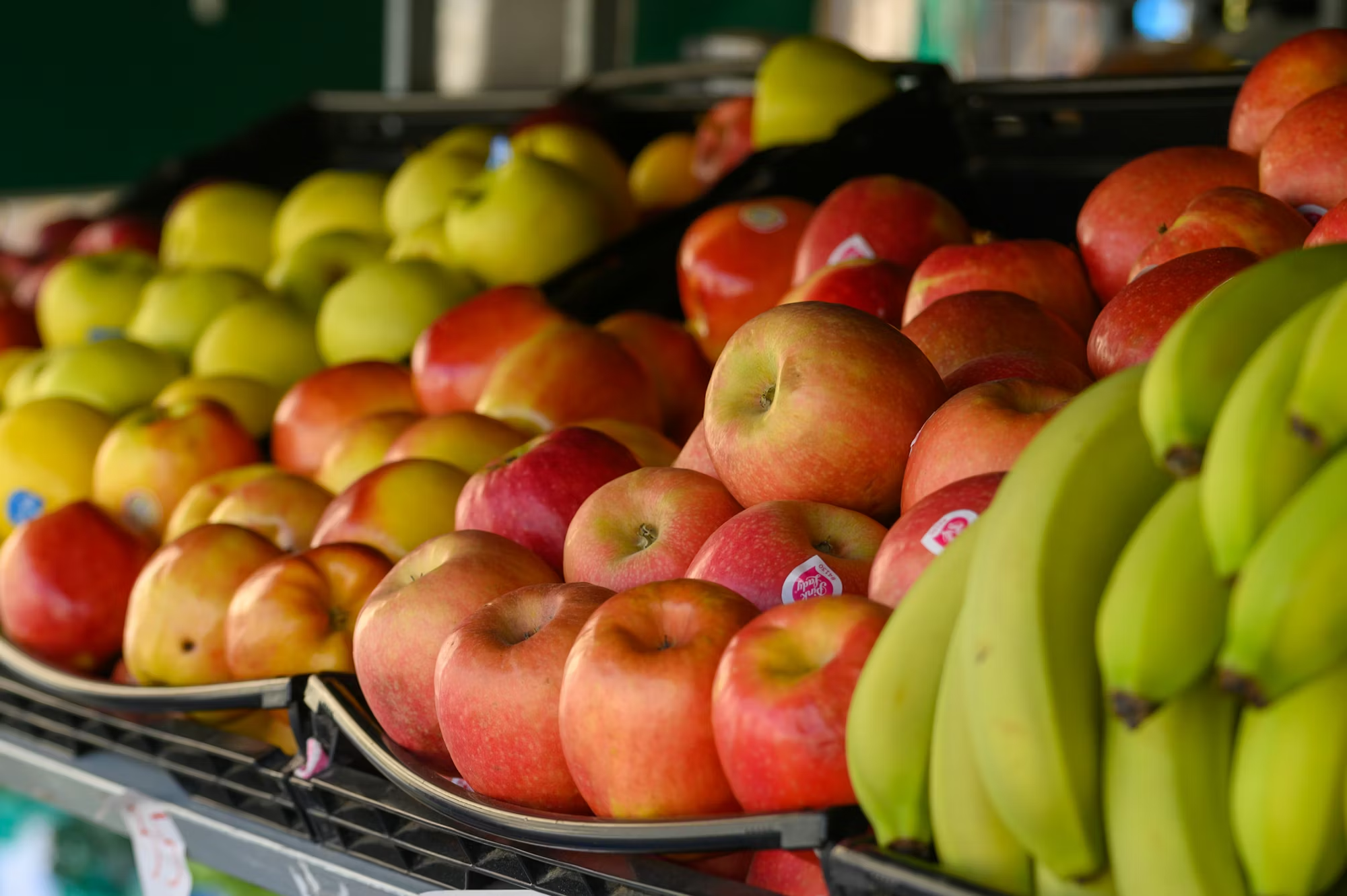
Fruits also play a vital role in carbohydrate intake. Options like bananas, apples, and berries not only provide quick energy but are also rich in vitamins and antioxidants. Bananas, for example, are a perfect pre-workout snack due to their high potassium content, which helps prevent muscle cramps. Incorporating a variety of fruits and whole grains into your diet ensures that you have the necessary energy to power through workouts and daily activities.
Proteins: Building Blocks of Muscle
Protein is crucial for muscle repair and growth, making it a key focus for anyone involved in fitness. Lean sources of protein, such as chicken breast, turkey, and fish, provide the essential amino acids needed for muscle recovery. Fatty fish like salmon not only offer protein but also contain omega-3 fatty acids, which have anti-inflammatory properties that benefit overall health.
Plant-based protein options are equally important for those following a vegetarian or vegan diet. Legumes, including beans, lentils, and chickpeas, are excellent sources of protein and fiber. Tofu and tempeh provide versatile protein options that can be easily integrated into various dishes. Consuming protein post-workout helps to repair muscle tissue and promotes recovery, ensuring that your body is prepared for future workouts.
Healthy Fats: Essential for Overall Wellness
Fats are often misunderstood but play a crucial role in a balanced diet. Healthy fats, particularly monounsaturated and polyunsaturated fats, provide energy, support hormone production, and aid in the absorption of fat-soluble vitamins. Foods such as avocados, nuts, seeds, and olive oil are rich in healthy fats and should be included in your daily intake.
Incorporating nuts and seeds into your snacks or meals can provide a nutrient-dense source of energy. For example, almonds and walnuts are not only high in healthy fats but also packed with protein and fiber, making them ideal for maintaining energy levels throughout the day. Using olive oil as a dressing or for cooking can enhance the flavor of meals while providing essential nutrients.
Hydration: The Foundation of Performance
Staying hydrated is vital for optimal athletic performance. Dehydration can lead to fatigue, decreased performance, and even affect mental focus. Water is the best choice for hydration, but during intense workouts or hot weather, electrolyte-rich beverages can help replenish lost fluids and minerals. Coconut water is a natural alternative that provides hydration along with essential electrolytes.
Herbal teas, such as green tea, can also contribute to hydration while offering additional health benefits. Green tea is rich in antioxidants and may support metabolism, making it a beneficial addition to your daily routine. Monitoring hydration levels before, during, and after exercise is key to maintaining performance and recovery.
Meal Timing: Enhancing Performance Through Strategy
The timing of your meals can significantly impact your performance and recovery. Eating a balanced meal containing carbohydrates and protein 2-3 hours before a workout can help ensure you have the energy needed for physical activity. For those pressed for time, a small snack that combines carbohydrates and protein 30-60 minutes before exercise can provide a quick energy boost.
Post-workout nutrition is equally important. Consuming a meal or snack that includes both protein and carbohydrates within 30-60 minutes after exercising is ideal for replenishing glycogen stores and promoting muscle recovery. A smoothie made with yogurt, fruit, and a scoop of protein powder can be a convenient and effective post-workout option, offering essential nutrients to support recovery.
The Power of Herbs and Spices
Incorporating herbs and spices into your meals can enhance flavor while providing health benefits. Ingredients such as garlic, ginger, and turmeric are known for their anti-inflammatory properties, which can be particularly beneficial for athletes recovering from intense workouts. Turmeric, in particular, contains curcumin, a compound that may help reduce inflammation and support joint health.
Experimenting with various herbs and spices can keep meals exciting and flavorful, making it easier to adhere to a healthy eating plan. Fresh herbs like basil, cilantro, and parsley can elevate the taste of dishes without adding extra calories, ensuring that your meals remain nutritious and enjoyable.
Probiotics: Supporting Gut Health
A healthy gut is essential for overall well-being, and probiotics play a significant role in maintaining gut health. Foods rich in probiotics, such as yogurt, kefir, kimchi, and sauerkraut, can help support a balanced gut microbiome. A well-functioning gut enhances digestion and nutrient absorption, ultimately benefiting athletic performance.
Incorporating these probiotic foods into your diet can aid in maintaining digestive health, especially during periods of intense training. This focus on gut health will ensure that your body is functioning optimally, allowing you to maximize your fitness efforts.
Conclusion: A Holistic Approach to Fitness Nutrition
In conclusion, the journey to enhanced fitness and athletic performance is heavily influenced by nutritional choices. By prioritizing a balanced diet rich in whole foods—such as fruits, vegetables, whole grains, lean proteins, and healthy fats—you can effectively fuel your body for optimal performance and recovery. Understanding meal timing and incorporating a variety of flavors into your diet will not only enhance athletic performance but also make your nutrition journey enjoyable and sustainable. With the right nutritional strategies in place, anyone can achieve their fitness goals while maintaining overall health and well-being.